


Fly Fishing for Panfish: The Most Underrated Game in Freshwater

Fly Fishing for Panfish: The Most Underrated Game in Freshwater
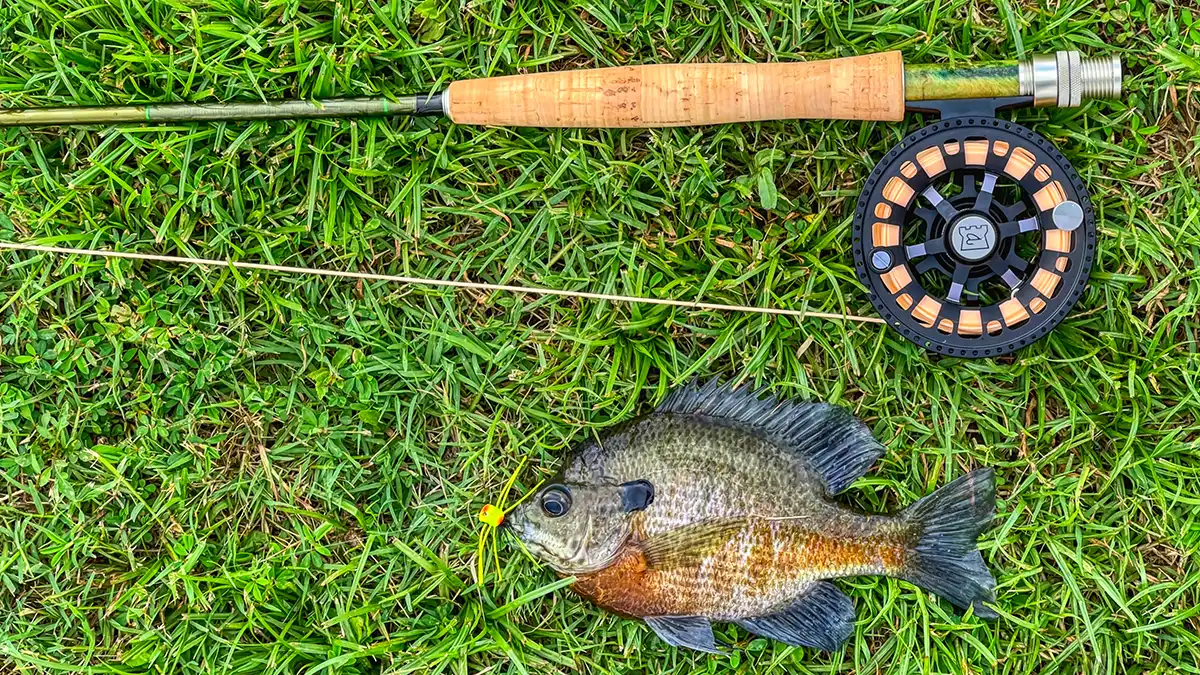
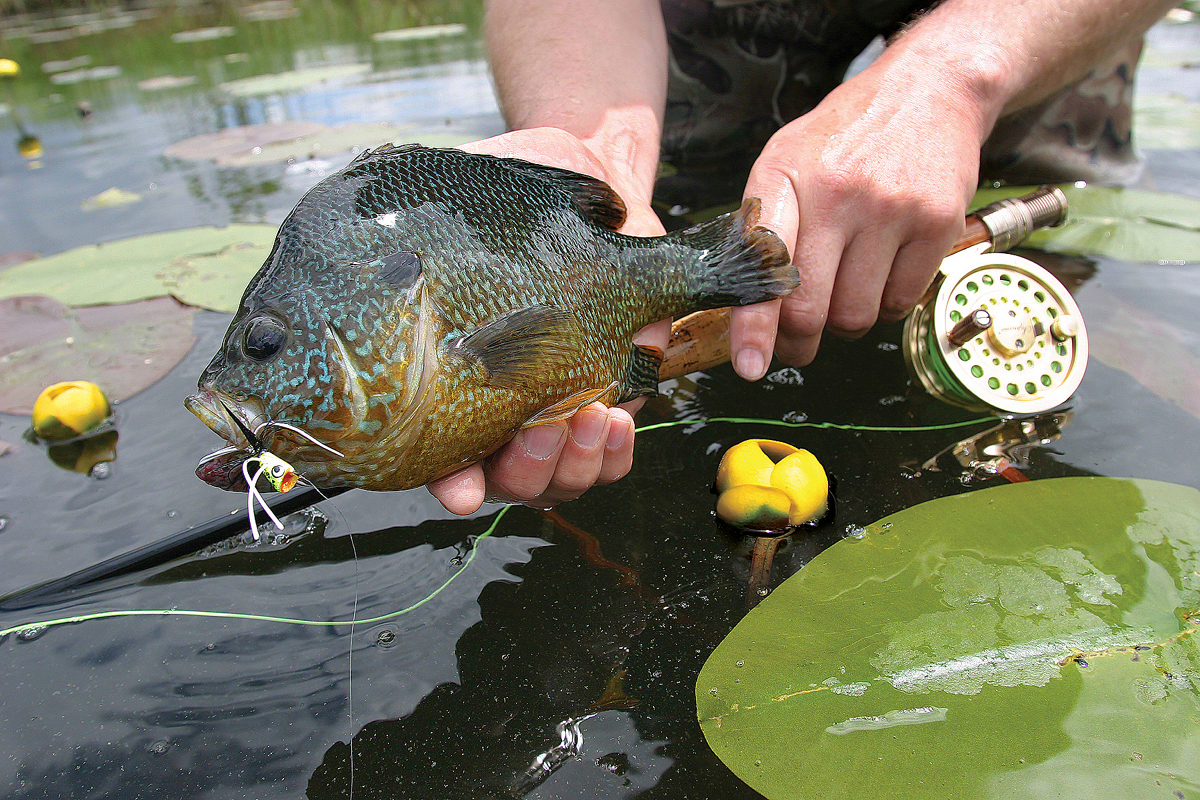
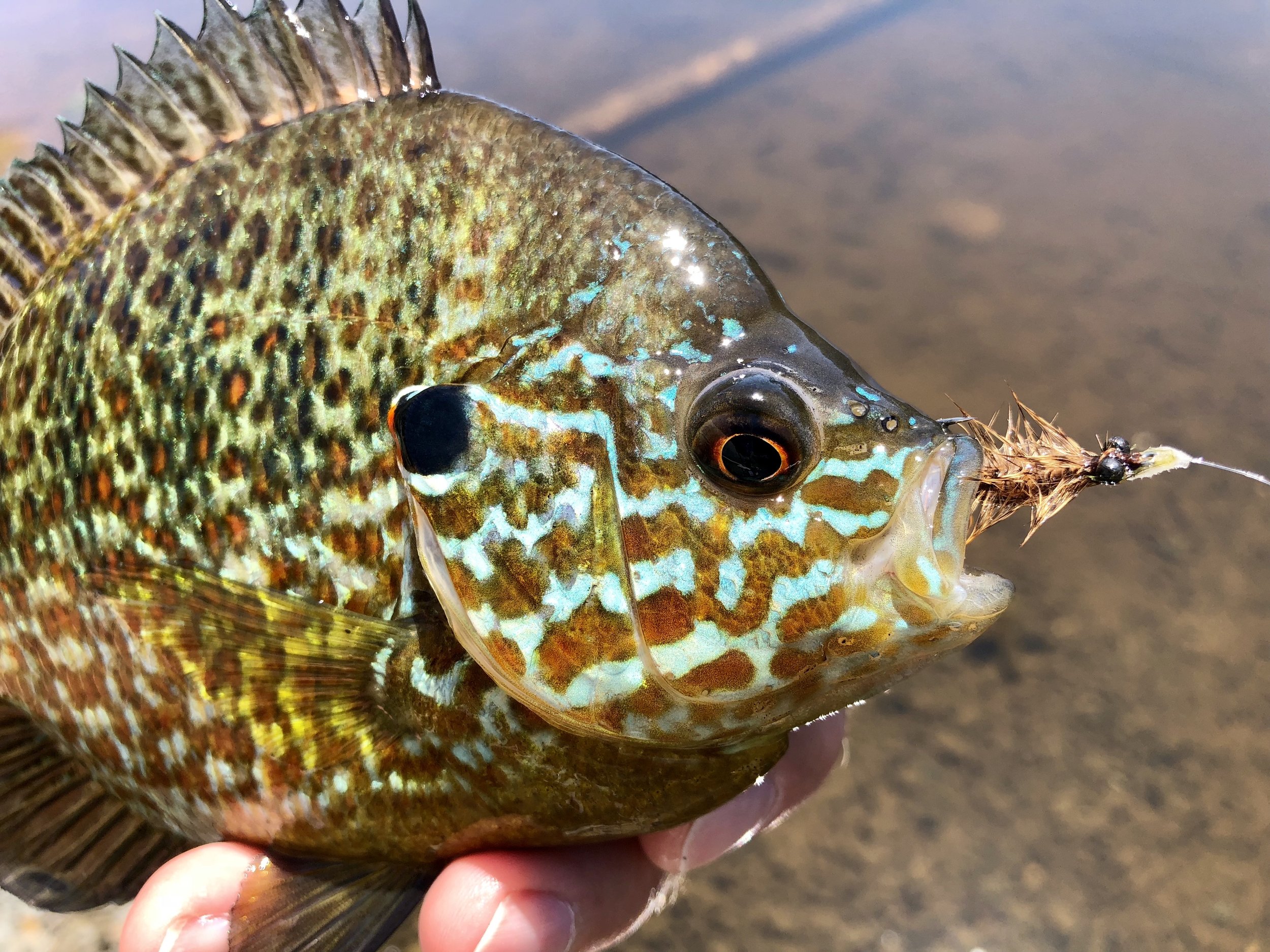
When people talk fly fishing, they jump straight to trout or saltwater species. Meanwhile, some of the most consistent, technical, and just plain fun fishing in the Midwest is happening 15 feet off the dock.
Panfish — bluegill, crappie, pumpkinseed, and perch — are not beginner fish. They’re opportunity fish. And if you approach them right, they’ll sharpen your skills fast.
Why Panfish on the Fly Makes You Better
-
Precision matters. Panfish often sit tight to cover. You need accurate casts.
-
Presentation matters more. They’ll eat aggressively at times, but pressured fish inspect closely.
-
They force you to slow down. Watch the take. Read subtle movement. Set clean.
If you want to improve your short game — casting, mending, line control — fish panfish on a 3–5 weight.
Best Gear Setup
Keep it simple and light.
Rod: 3–5 wt, 7’6”–9’
Line: Floating line
Leader: 7.5–9 ft tapered to 4x or 5x
Tippet: 4x–6x depending on fly size
You don’t need a boat. A canoe, kayak, or even bank access works. Focus on structure: weed edges, fallen timber, docks, and drop-offs.
Top Flies for Panfish
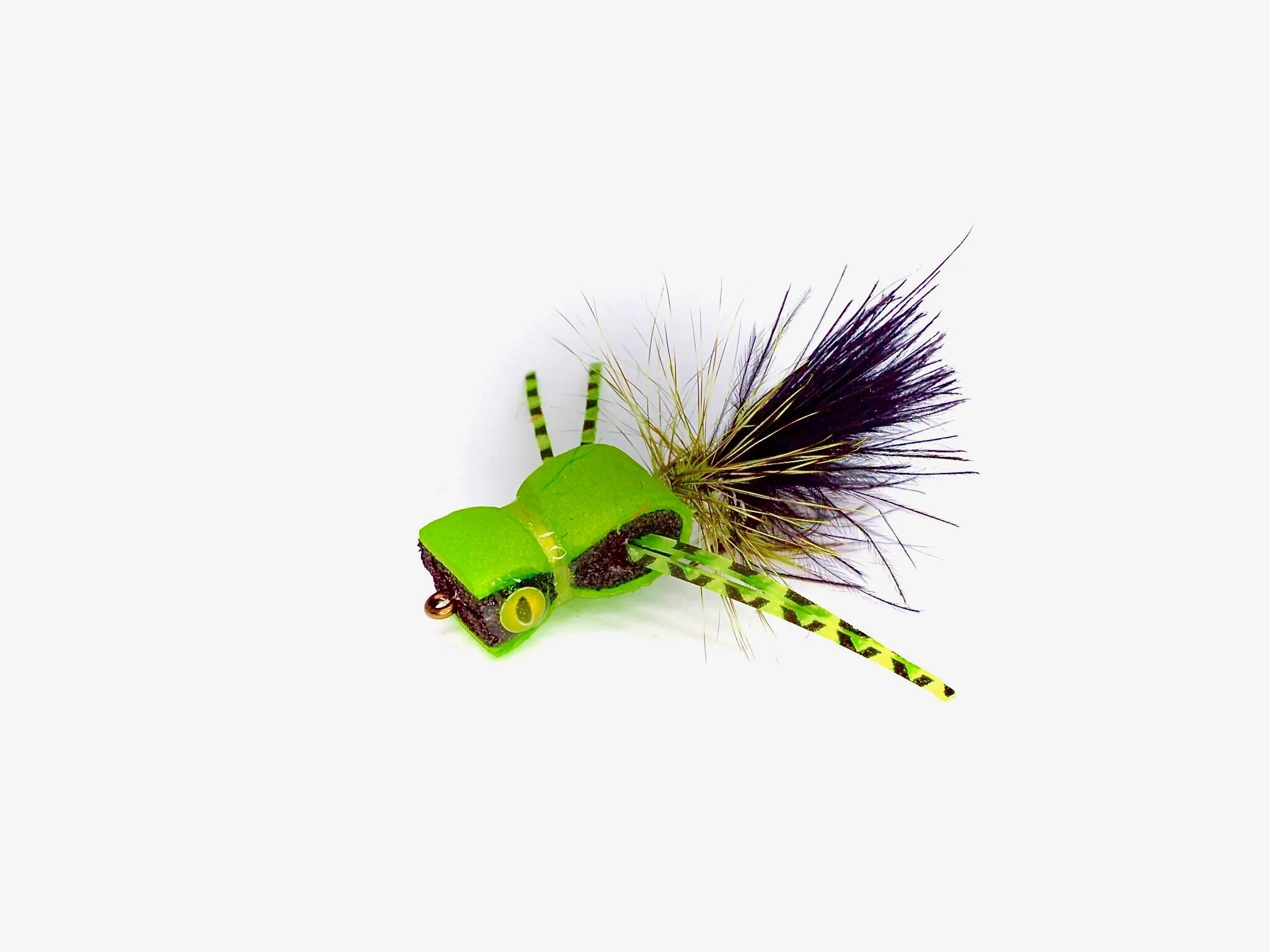


1. Foam Poppers
Summer evenings. Shallow water. Explosive eats. Hard to beat.
2. Woolly Buggers (Black, Olive, Brown)
Strip it slow near weed lines. Panfish crush them.
3. Small Nymphs
Beadhead pheasant tails, hare’s ears — especially when fish move deeper.
4. Soft Hackles & Spider Patterns
Dead drift or slow swing. Subtle and deadly.
Keep flies small — size 8–12 is a sweet spot.
Seasonal Strategy
Spring:
Fish shallow spawning flats. Sight fish if you can. Aggressive eats.
Summer:
Early and late topwater bite. Midday fish deeper structure.
Fall:
Schools stack up. Slow retrieves with buggers and nymphs work best.
Winter (where legal/open water exists):
Slow everything down. Micro patterns, minimal movement.
Where to Look
-
Inside weed pockets
-
Dock shade lines
-
Creek inlets
-
Drop-offs from 3–8 feet
-
Timber edges
If you’re in Wisconsin or the Upper Midwest, nearly every small lake and farm pond holds fish willing to eat a well-presented fly.
Why It’s Worth Your Time
Panfish:
-
Fight hard on light tackle
-
Are abundant
-
Allow high-rep practice
-
Create low-pressure, high-fun sessions
They’re also ideal for introducing new anglers without sacrificing challenge.
If your brand or gear is built for real-world use — guides, families, dock sessions, backwater exploration — panfish belong in that story. They represent accessibility and skill refinement, not just trophy chasing.
Final Thought
You don’t need a float plane or a western river to validate a fly rod.
A small lake. A clean cast. A tight line.
That’s enough.
